
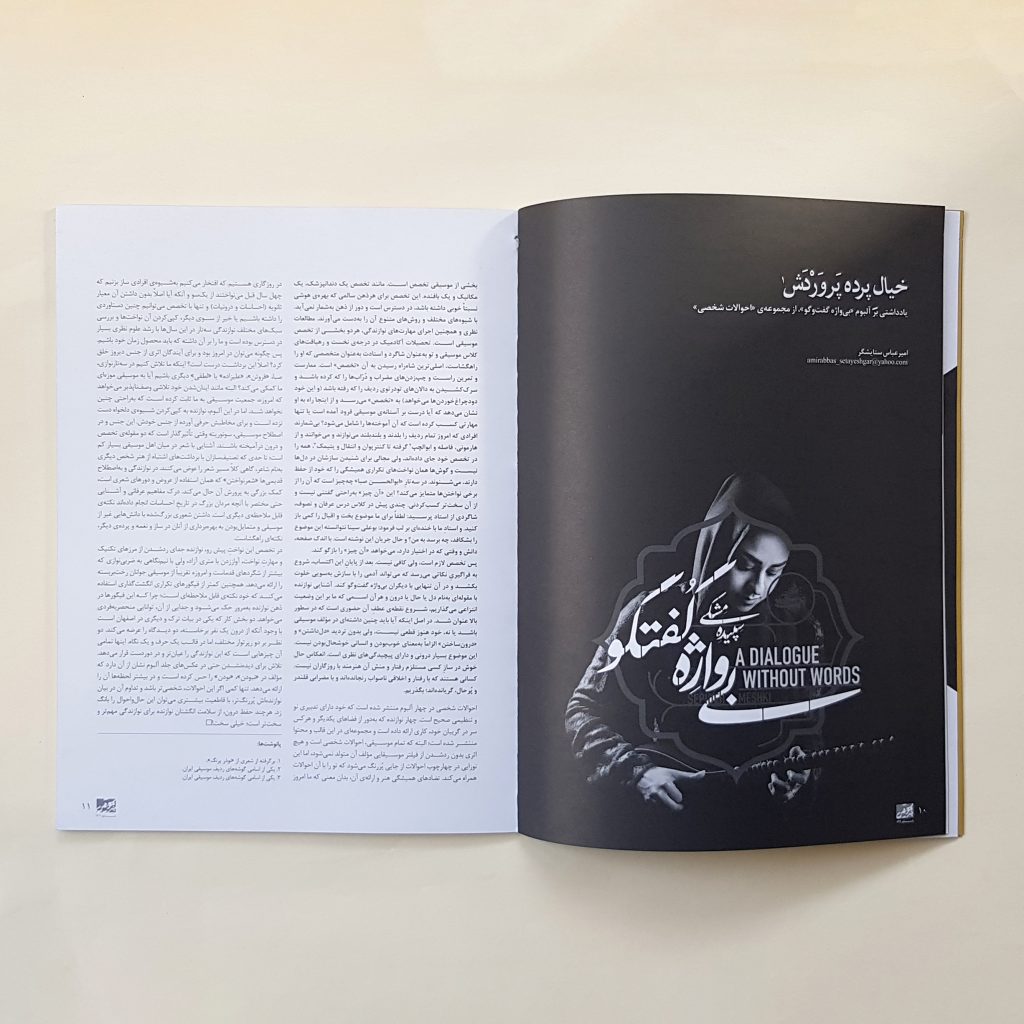
The Imagination That Nurtures the Veil
A note on the album “Dialogue Without Words” by Sepideh Meshki, from the series “Personal States”
Written by: Amirabbas Setaayeshgar
A part of music is specialization—like the expertise of a dentist, a mechanic, or a weaver. This specialization is accessible to any sound mind with a relatively good level of intelligence and is not something far-fetched. It is attained through various approaches and methods. Both theoretical studies and the practical execution of instrumental skills are parts of musical specialization. Academic education, in the first place, along with the path of music classes—where you are the student and your teacher is the guiding specialist—form the main thoroughfare to achieving this “specialization.” Once one has practiced diligently, mastered the right and left strokes of the plectrum and the dorābs, and ventured into the intricate corridors of the radif (which itself requires much burning of the midnight oil), one reaches “specialization.” From there, the path reveals itself: has one truly arrived at the threshold of music, or has one merely acquired a skill that encompasses what has been learned?
There are countless individuals today who know the entire radif, play and sing loudly, and include harmony, intervals, counterpoint, modulation, and all manner of techniques within their expertise; yet there is no room in hearts to hear their instruments. The ears merely hear the same familiar, repetitive phrases they themselves already know by heart. What is it in the setār of Abolhasan Saba that distinguishes it from certain other performances? This “something” is not easy to articulate—and even harder to acquire. Some time ago, in a class on mysticism and Sufism, a student asked the teacher: “Please explain the matter of fortune and luck a bit more for us.” Our teacher smiled and said: “Avicenna himself could not unravel this matter—let alone me.” And this is precisely the situation of this text. With the few pages, the limited knowledge, and the little time it has at its disposal, it seeks to describe that “something.” Thus, specialization is necessary—but not sufficient.
After completing this acquisition, one begins to learn matters that can draw a person, together with their instrument, into a private solitude, where in that loneliness they converse with others without words. The musician’s acquaintance with something called the heart, the state, the inner being—whatever name we give to this abstract condition—is the starting point of the turning moment of that presence mentioned above. Whether such a quality must exist in the creator of music or not is itself still uncertain, but without a doubt, “having a heart” and “cultivating the inner self” do not necessarily mean being good or being a happy human being. This is a deeply internal matter with theoretical complexities. The reflection of a good state in someone’s instrument does not require that artist’s behavior or ethics to be aligned with the times. There are those who have wounded with improper conduct, yet made people weep with a dervish-like, spirited plectrum. Let us pass on.
Personal States has been released in four albums, each bearing a novel conception and a sound arrangement. Four musicians, each distant from the others’ spaces, each immersed in their own world, have presented a work, and a collection has been published in this form and content. Of course, all music is personal in its states, and no work is born without passing through the musical filter of its creator. Yet this rebirth within the framework of “states” becomes more vivid where it draws you along with those states.
The perennial contradictions of art and its presentation appear here: on one hand, we live in a time when we take pride in playing in the style of individuals who performed forty years ago; on the other hand, the question arises of whether, without possessing that secondary criterion (feelings and inner life), and relying solely on specialization, we can achieve such an outcome at all. Copying those performances and examining different styles of setār playing over these years—alongside the growth of theoretical sciences—has become highly accessible, compelling us to believe that we must be products of our own time. So how can one exist in today and create a work for future generations that belongs to yesterday? Is this interpretation even correct? Does trying to become another “Saba,” “Foroutan,” “Alizadeh,” or “Lotfi” in setār playing help our museum-like music? Of course, becoming like them itself requires an indescribable effort—something the current musical community has shown us will not happen easily.
Yet in this album, the performer has not resorted to copying a favored style; instead, they bring a message to the listener that is of their own essence. This essence—or, in musical terms, sonority—becomes effective when two elements are interwoven: specialization and the inner self. Familiarity with poetry among musicians is very limited—to the extent that composers of songs, through mistaken interpretations of another person’s art called the poet, sometimes entirely alter the course of the poem. In performance, and in the old expression “playing poetry”—which means using prosody and poetic cycles—there is great help in cultivating that state. Understanding mystical concepts and even a modest acquaintance with what great men in history have done with emotions is another noteworthy point. Possessing a consciousness shaped by knowledge beyond music, and being inclined to draw upon it in instrument, melody, and pitch, is yet another guiding factor.
In terms of specialization, this performance—beyond crossing the boundaries of technique and instrumental skill—offers an approach to playing in a free meter, with a subtle glance toward rhythmic playing, a trait more characteristic of the masters of old and one that has today almost vanished from the music of the young. It also makes less use of repetitive fingering figures, which is itself notable, since such figures gradually become ingrained in the performer’s mind, and breaking away from them requires a unique ability. The two sections of the work—one in Bayāt-e Tork and the other in Esfahān—despite arising from the same inner source, present two perspectives: two views of two different repertoires, yet within a single statement and a single gaze. All of this renders this performance more apparent and places it at a distance from the commonplace.
The effort not to be seen—even in the album cover photographs—indicates that the creator has sensed “being” within “absence,” and presents it in most moments. If only these personal states were a little more personal, and their continuity in the performer’s expression more pronounced, one could proclaim this state of being with greater certainty. Even so, preserving the inner self is more important—and more difficult—than preserving the health of a performer’s fingers. Very difficult.
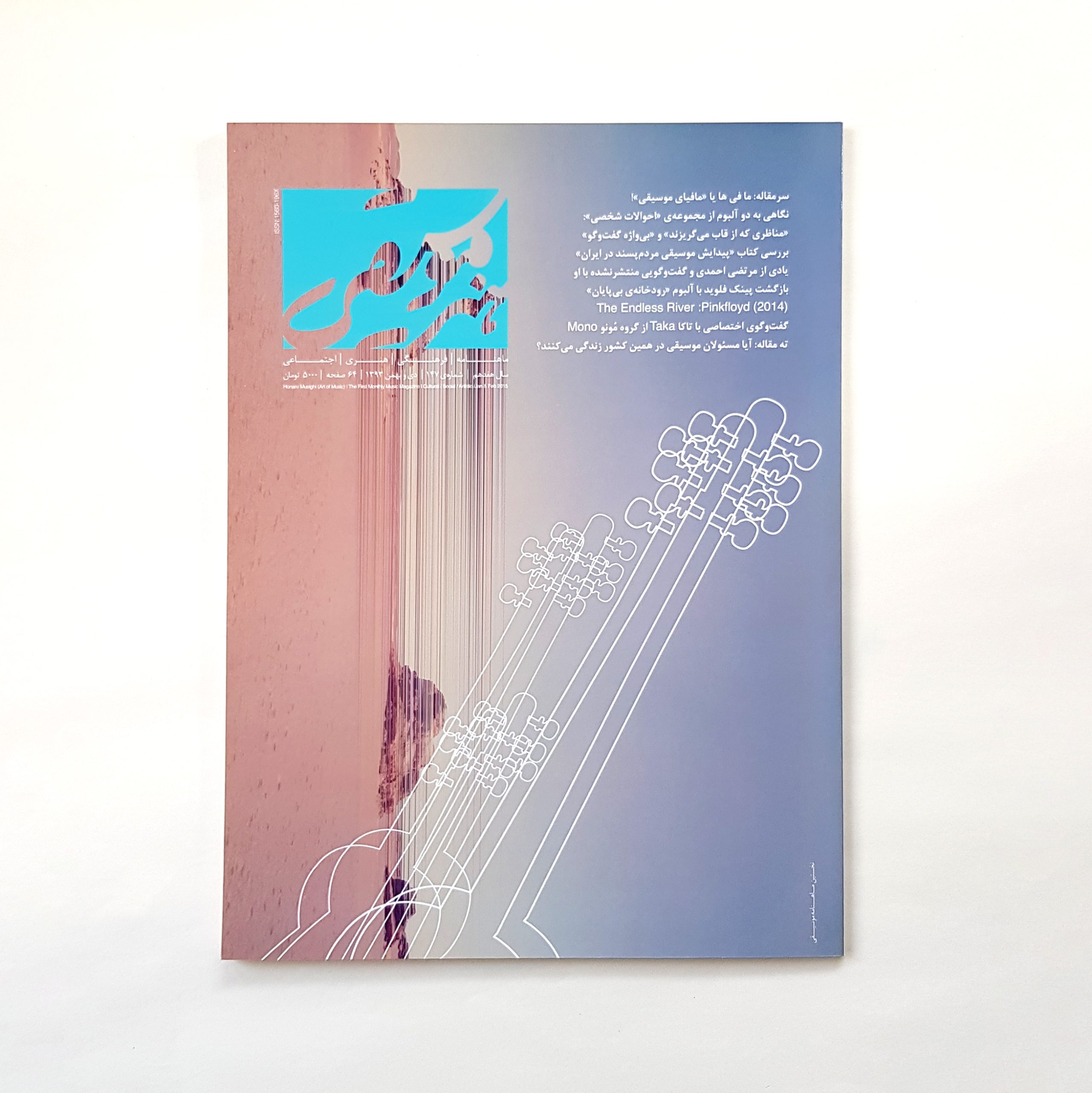
Honar-e Musiqi Monthly
Issue no. 147
Dey and Bahman 1393 (January–February 2015)
Pages 10–11
خیال پردهپَروَرْدَش
یادداشتی بر آلبوم «بیواژه گفتوگو» اثر سپیده مشکی، از مجموعهی «احوالات شخصی»
نوشتهی: امیرعباسستایشگر
بخشی از موسیقی تخصص است. مانند تخصص یک دندانپزشک، یک مکانیک و یک بافنده. این تخصص برای هرذهن سالمی که بهرهی هوشی نسبتاً خوبی داشته باشد، در دسترس است و دور از ذهن بهشمار نمیآید. با شیوههای مختلف و روشهای متنوع آن را بهدست میآورند. مطالعات نظری و همچنین اجرای مهارتهای نوازندگی، هردو بخشی از تخصص موسیقی است. تحصیلات آکادمیک در درجهی نخست و رهیافتهای کلاس موسیقی و تو بهعنوان شاگرد و استادت بهعنوان متخصصی که او را راهگشاست، اصلیترین شاهراه رسیدن به آن «تخصص» است. ممارست و تمرین راست و چپزدنهای مضراب و دُرّابها را که کرده باشد و سرککشیدن به دالانهای تودرتوی ردیف را که رفته باشد (و این خود دودچراغخوردنها میخواهد) به «تخصص» میرسد و از اینجا راه به او نشان میدهد که آیا درست بر آستانهی موسیقی فرود آمده است یا تنها مهارتی کسب کرده است که آن آموختهها را شامل میشود؟ بیشمارند افرادی که امروز تمام ردیف را بلدند و بلندبلند مینوازند و میخوانند و از هارمونی، فاصله و ابوالچپ گرفته تا کنترپوان و انتقال و یتیمک، همه را در تخصص خود جای دادهاند، ولی مجالی برای شنیدن سازشان در دلها نیست و گوشها همان نواختهای تکراری همیشگی را که خود از حفظ دارند، میشنوند. در سهتارِ «ابوالحسن صبا» چهچیز است که آن را از برخی نواختنها متمایز میکند؟ این «آن چیز» بهراحتی گفتنی نیست و از آن سختتر کسبکردنی. چندی پیش در کلاس درس عرفان و تصوف، شاگردی از استاد پرسید: لطفاً برای ما موضوع بخت و اقبال را کمی باز کنید. و استادِ ما با خندهای بر لب فرمود: بوعلی سینا نتوانسته این موضوع را بشکافد، چه برسد به من؟ و حال جریان این نوشته است. با اندک صفحه، دانش و وقتی که در اختیار دارد، میخواهد «آن چیز» را بازگو کند. پس تخصص لازم است، ولی کافی نیست. بعد از پایانِ این اکتساب، شروع به فراگیریِ نکاتی میرسد که میتواند آدمی را با سازش بهسویی خلوت بکشد و در آن تنهایی با دیگران بیواژه گفتوگو کند. آشنایی نوازنده با مقولهای بهنام دل یا حال یا درون و هرآن اسمی که ما بر این وضعیت انتزاعی میگذاریم، شروع نقطهی عطفِ آن حضوری است که در سطور بالا عنوان شد. در اصل اینکه آیا باید چنین داشتهای در مؤلف موسیقی باشد یا نه، خود هنوز قطعی نیست، ولی بدون تردید «دلداشتن» و «درونساختن» الزاماً بهمعنای خوببودن و انسانی خوشحالبودن نیست. این موضوع بسیار درونی و دارای پیچیدگیهای نظری است. انعکاسِ حال خوش در سازِ کسی مستلزم رفتار و منش آن هنرمند با روزگاران نیست. کسانی هستند که با رفتار و اخلاقی ناصواب رنجاندهاند و با مضرابی قلندر و پُرحال، گریاندهاند؛ بگذریم.
احوالات شخصی در چهار آلبوم منتشر شده است که خود دارای تدبیری نو و تنظیمی صحیح است. چهار نوازنده که به دور از فضاهای یکدیگر و هرکس سر در گریبان خود کاری ارائه داده است و مجموعه ای در این قالب و محتوا منتشر شده است؛ البته که تمام موسیقی احوالات شخصی است و هیچ اثری بدون رد شدن از فیلتر موسیقایی مؤلف آن متولد نمی شود اما این نوزایی در چهارچوب احوالات از جایی پررنگ میشود که تو را با آن احوالات همراه میکند تضادهای همیشگی هنر و ارائه ی آن بدان معنی که ما امروز در روزگاری هستیم که افتخار میکنیم به شیوه ی افرادی ساز بزنیم که چهل سال قبل مینواختند از یک سو و آنکه آیا اصلا بدون داشتن آن معیار ثانویه (احساسات و درونیات) و تنها با تخصص میتوانیم چنین دستاوردی را داشته باشیم یا خیر از سوی دیگر کپی کردن آن نواختها و بررسی سبک های مختلف نوازندگی سه تار در این سالها با رشد علوم نظری بسیار در دسترس بوده است و ما را بر آن داشته که باید محصول زمان خود باشیم. پس چگونه میتوان در امروز بود و برای آیندگان اثری از جنس دیروز خلق کرد؟ اصلا این برداشت درست است؟ اینکه ما تلاش کنیم در سه تار نوازی “صبا”،«فروتن»، «علیزاده» یا «لطفی» دیگری باشیم آیا به موسیقی موزه ای ما کمکی میکند؟ البته مانند اینان شدن خود تلاشی وصف ناپذیر میخواهد که امروزه جمعیت موسیقی به ما ثابت کرده است که به راحتی چنین نخواهد شد. اما در این آلبوم نوازنده به کپی کردن شیوه ی دلخواه دست نزده است و برای مخاطبش حرفی آورده از جنس خودش این جنس و در اصطلاح موسیقی سونوریته وقتی تأثیر گذار است که دو مقوله ی تخصص و درون در آمیخته باشند آشنایی با شعر در میان اهل موسیقی بسیار کم است؛ تا حدی که تصنیف سازان با برداشتهای اشتباه از هنر شخص دیگری به نام شاعر گاهی کلا مسیر شعر را عوض میکنند. در نوازندگی و به اصطلاح قدیمی ها “شعر نواختن” که همان استفاده از عروض و دورهای شعری است کمک بزرگی به پرورش آن حال میکند. درک مفاهیم عرفانی و آشنایی حتى مختصر با آنچه مردان بزرگ در تاریخ احساسات انجام داده اند نکته ی قابل ملاحظه ی دیگری است داشتن شعوری بزرگ شده با دانشهایی غیر از موسیقی و متمایل بودن به بهره برداری از آنان در ساز و نغمه و پرده ی دیگر نکته ای راهگشاست. در تخصص این نواخت پیش رو نوازنده جدای رد شدن از مرزهای تکنیک و مهارت نواخت آواززدن با متری آزاد ولی با نیم نگاهی به ضربی نوازی که بیشتر از شگردهای قدماست و امروزه تقریباً از موسیقی جوانان رخت بربسته را ارائه میدهد. همچنین کمتر از فیگورهای تکراری انگشت گذاری استفاده می کند که خود نکته ی قابل ملاحظه ای است؛ چرا که این فیگورها در ذهن نوازنده به مرور حک میشود و جدایی از آن توانایی منحصر به فردی می خواهد دو بخش کار که یکی در بیات ترک و دیگری در اصفهان است با وجود آنکه از درون یک نفر برخاسته دو دیدگاه را عرضه میکند. دو نظر بر دو رپرتوار مختلف اما در قالب یک حرف و یک نگاه اینها تمامی آن چیزهایی است که این نوازندگی را عیان تر و در دوردست قرار میدهد. تلاش برای دیده نشدن حتی در عکسهای جلد آلبوم نشان از آن دارد که مؤلف در «نبودن»، «بودن» را حس کرده است و در بیشتر لحظه ها آن را ارائه میدهد. تنها کمی اگر این احوالات شخصی تر باشد و تداوم آن در بیان نوازنده اش پررنگتر با قاطعیت بیشتری میتوان این حال و احوال را بانگ زد. هر چند حفظ درون از سلامت انگشتان نوازنده برای نوازندگی مهم تر و سخت تر است؛ خیلی سخت
. ماهنامهی هنرموسیقی شمارهی ۱۴۷ دی و بهمن ۱۳۹۳ صفحهی ۱۰ و ۱۱