
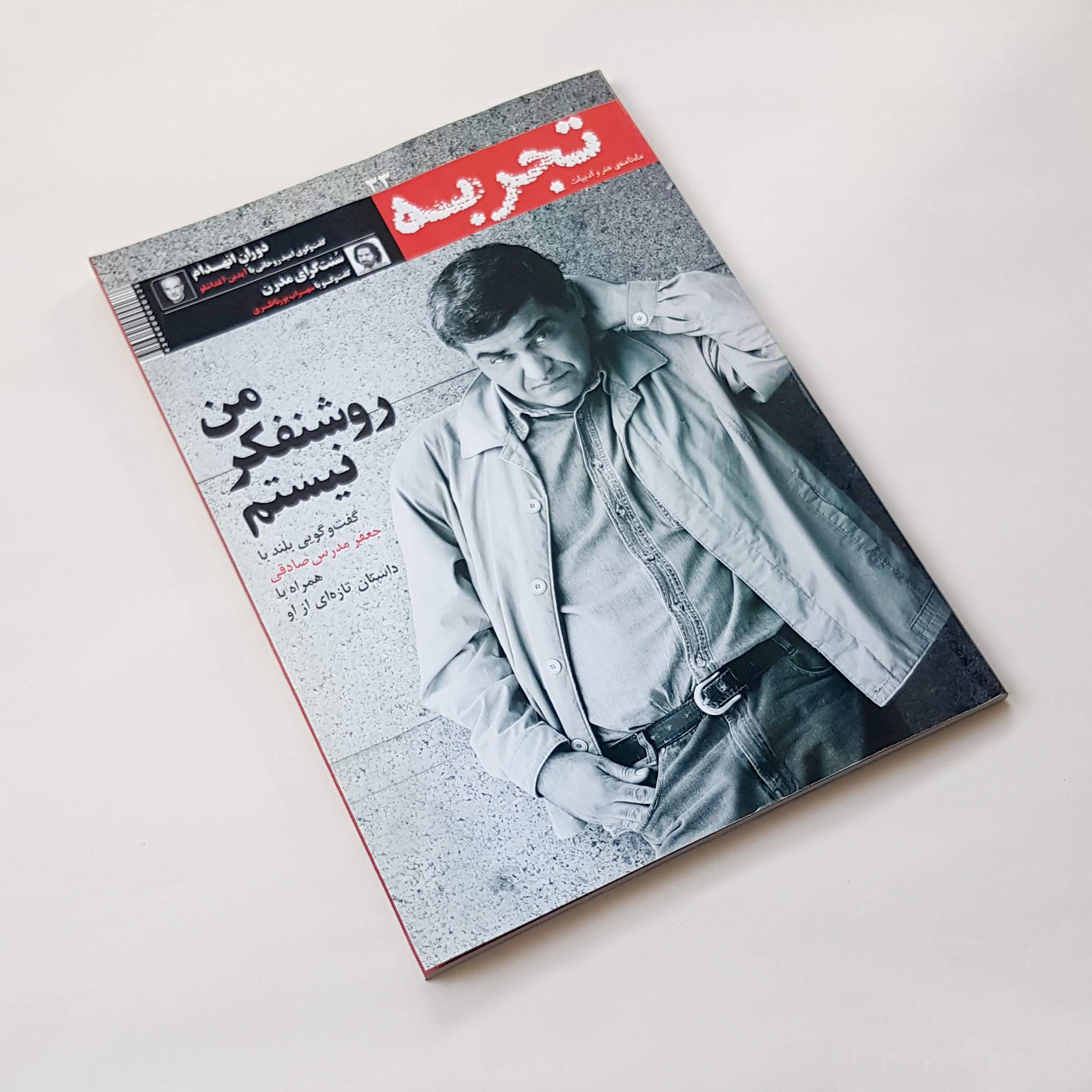
Sepideh Meshki: “People want easy, unreflective music”
An interview by Amir Bahari with Sepideh Meshki on the occasion of the release of the album “Bi-Vazeh Goft-o-Go” (Wordless Dialogue)
Amir Bahari: What is the definition of a good instrumentalist? Obviously, there is no single, fixed definition. But the reality is that when you begin to define a good performer, you eventually arrive at a good composer. Even a form of performance that is limited to a pre-defined repertoire reaches its highest level when the performer’s personal perspective and musicality are manifested in the execution—an outlook that is in harmony with the repertoire and at the same time takes it into a new phase of life.
Sepideh Meshki is a high-level performer in today’s Persian radif–dastgāh music. A musician whose sound and timbre embody radif music, while also bearing her own personal signature. Seeing Sepideh Meshki amid the current clamor of Iran’s music scene is itself an artistic event, and entrusting the production of an independent work to her is the same. Bi-Vazeh Goft-o-Go is the product of this artistic event—the result of a publisher recognizing a performer with a refined and high-class approach to performance.
□ In the collection your album is part of, your work seems in a way like a return to a tradition of radif performance in Iran. For many, the presence of this album in a collection with a modern outlook might seem a bit strange. But it appears that, at a time when radif and proper radif performance have become somewhat faded, this approach is itself a kind of counterpoint. How did you receive this commission?
The commission came about when Mr. Samadpour contacted me and spoke about the project. In our meeting, after hearing the works of Mr. Poursangari and Mr. Peyghambari (I did not hear Mr. Roshan’s work), I told Mr. Samadpour that my contribution to this collection would be very different. However, he convinced me, saying that each work was meant to speak for itself and be presented completely independently. Eventually, I agreed.
□ Since when has this manner of performance been a concern for you, and why have you taken a tradition-oriented approach in this era?
It stems from a personal belief. I believe the path of Iranian music should be continued in such a way that, after us, the authentic foundations of Iranian music are still preserved—though they may be presented with a newer expression and outlook. This is exactly what figures from the past to the present such as Ali-Akbar Khan, Darvish Khan, Aref Qazvini, Abolhasan Saba, Shahnaz, Kasai, and among contemporaries Mr. Lotfi, Alizadeh, and Meshkatian did with music. While preserving tradition, these figures were also innovators. They had the past, plus one step forward—that is, they brought their personal expression and taste into their work without causing any damage to Iranian music.
□ Today there is a discussion in which some say that although we are indebted to the past, we do not consider ourselves bound to the framework of the radif. Among some composers of your generation, there is also the idea that the radif is not a closed system and that innovations can still be made within its framework. Do you belong to this group?
Yes, I fully believe in the framework of Iranian music. I believe that as many new expressions can be offered as there are good musicians in Iran—and they are not few—provided that everyone tries to play their own instrument, by which I mean not imitating prominent contemporary musicians (Lotfi, Alizadeh, Meshkatian). Of course, the influence of these masters on our musical taste is so strong that it is very difficult to escape it, and unconsciously parts of our playing and compositions refer back to them. Still, I think we must try to distance ourselves from them—to be ourselves while preserving the framework. In my view, this is the only way to both preserve Iranian music and innovate within it.
□ The three figures you mentioned each had a personal outlook despite the presence of many masters around them. But in your generation there seems to be a kind of confusion in Iranian music and performance. Many people are very good performers—like yourself or Ms. Fayyazi—but they may not be very well known, while other artists are more prominent. In the 1950s and 1960s, there were composers who today can confidently be called iconic. This no longer seems to be the case. What do you think is the reason for this, and what solution do you see for moving beyond this situation?
I think this confusion may have happened in music and other arts all over the world, and we are no exception. The large number of artists and skilled performers, and naturally the diversity of their tastes, can be one reason. Another reason is factors that are very influential in today’s world, such as advertising and business, which have also affected our music. Today, the reason for a musician’s or singer’s fame or popularity is not only the high artistic quality of their work, but also its financial profitability and promotional potential. Extensive advertising then leads to visibility and audience attraction. To move beyond this situation, perhaps we simply need to wait for time to pass. As Mr. Lotfi said, history has shown that people ultimately make the right choices in the long run, and that the works which endure are those with high artistic quality.
□ A few months ago, Mr. Sohrab Pournazeri mentioned in a session about his album that the traditional music groups capable of drawing people into concert halls have been reduced to two or three, and that this music no longer has the wide audience it once did. In your opinion, is it necessary today for traditional music to have a broad audience?
In my view, authentic or serious music in any country has always had—and still has—a specific audience. In the West as well, symphonies that are performed repeatedly have their own particular listeners. Likewise in Iran, the number of people who devote time to listening to solo or ensemble performances of serious music is limited. However, I believe that radio and television have always played an important role in this regard. Just as programs like Golhā greatly increased public interest in authentic Iranian music, today, because good and authentic music is no longer seen or heard much on radio and television, people’s tastes have changed and shifted toward easy, unreflective music. If you look closely, very few people are unfamiliar with the names Ebadi or Shahnaz, and this is solely because of the Golhā program, which at that time consistently provided people with high-quality musical nourishment and undoubtedly helped expand the audience for Iranian music.
□ Many have said that your setar and your musical sensibility are very unique, while at the same time you have not deviated much from familiar models. In fact, you have continued along the path of tradition. How did this process unfold for you?
To be honest, I never consciously thought about how to achieve this. I remember that the first piece I copied was Mr. Lotfi’s Be Yād-e Darvish Khan. After that, I began listening to the works of Hormozi, Foroutan, and Saba. What fascinated me was that the playing of all of them could be found within Mr. Lotfi’s playing—yet he played his own instrument. Of course, Hormozi’s plectrum technique is most evident in Lotfi’s playing, but in places there are clear phrases taken from Saba (and less from Foroutan). This fascinated me, and I always wondered how such a synthesis had happened. I tried to find my own expression with this mindset. But I must say that being alongside teachers from each of whom I learned a great deal has had an enormous influence, and I will always be indebted and grateful to them.
Art and Literature Monthly “Tajrobeh,” Issue 33, pages 93–94
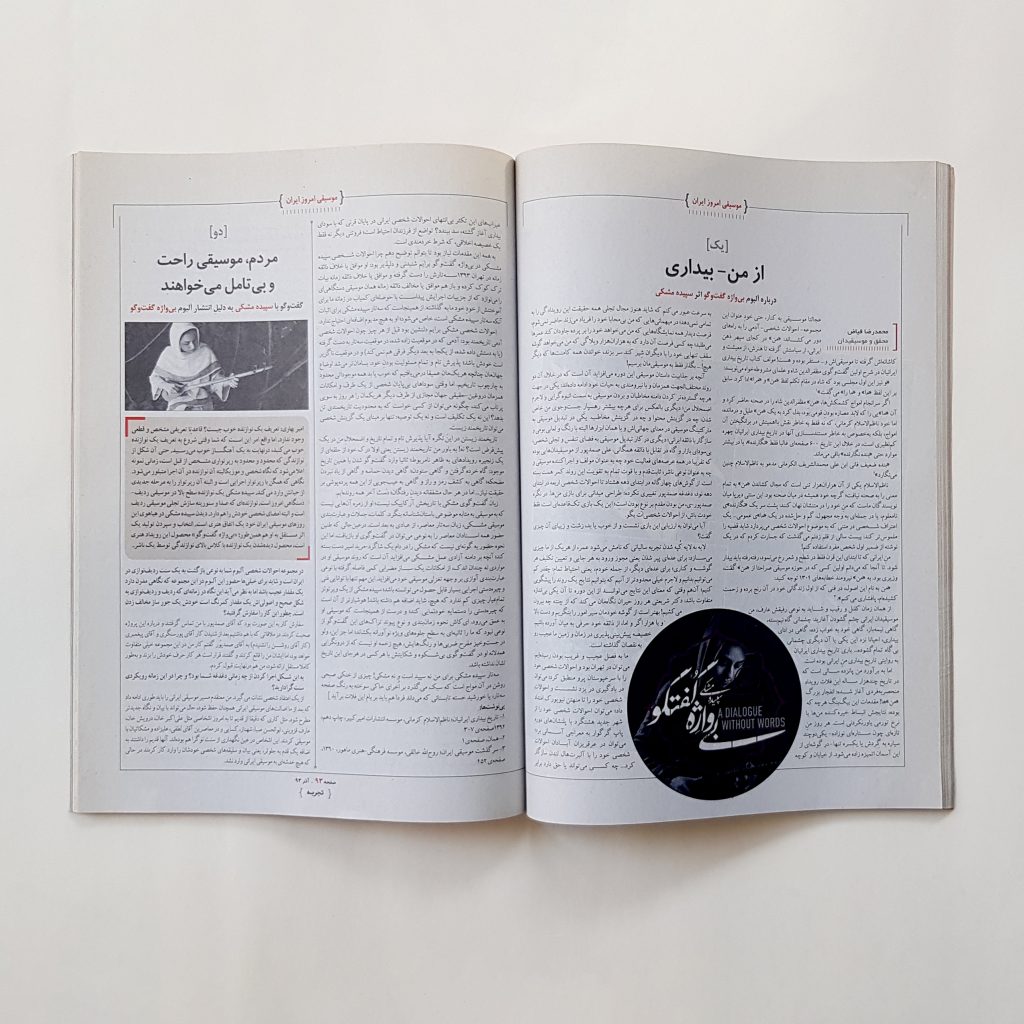
“مردم موسیقی راحت و بی تامل میخواهند” گفت و گوی امیر بهاری با سپیده مشکی به دلیل انتشار آلبوم” بی واژه گفت و گو” امیر بهاری: تعریف یک نوازنده خوب چیست؟ قاعدتا تعریفی مشخص و قطعی وجود ندارد. اما واقع امر این است که شما وقتی شروع به تعریف یک نوازنده خوب می کنید، در نهایت به یک آهنگساز خوب می رسید. حتی آن شکل از نوازندگی که محدود و محدود به رپرتواری مشخص از قبل است، زمانی نمونه اعلا می شود که نگاه شخصی و موزیکالیته آن نوازنده در آن اجرا متبلور می شود. نگاهی که همگن با رپرتوار اجرایی است و البته آن رپرتوار را به مرحله جدیدی از حیاتش وارد می کند. سپیده مشکی یک نوازنده سطح بالا در موسیقی ردیف دستگاهی امروز است. نوازنده ای که صدا و سنورینه سازش تجلی موسیقی ردیف است و البته امضای شخصی خودش را هم دارد. دیدن سپیده مشکی در هیاهوی این روزهای موسیقی ایران خود یک اتفاق هنری است. انتخاب و سپردن تولید یک اثر مستقل به او هم همین طور “بی واژه گفت و گو” محصول این رویداد هنری است. محصول دیده شدن یک نوازنده با کلاس بالای نوازندگی توسط یک ناشر
. □در مجموعه احوالات شخصی آلبوم شما به نوعی بازگشت به یک سنت ردیف نوازی در ایران است و شاید برای خیلی ها حضور این آلبوم در این مجموعه که نگاهی مدرن دارد یک مقدار عجیب باشد اما به نظر می آید این نگاه در زمانه ای که ردیف و ردیف نوازی به شکل صحیح و اصولی اش یک مقدار کمرنگ است خودش یک جور ساز مخالف زدن است. چطور این کار را سفارش گرفتید؟
سفارش کار به این صورت بود که آقای صمدپور با من تماس گرفتند و درباره این پروژه صحبت کردند. در ملاقاتی که با هم داشتیم بعد از شنیدن کار آقای پورسنگری و آقای پیغمبری (کار آقای روشن را نشنیدم)، به آقای صمدپور گفتم کار من در این مجموعه خیلی متفاوت خواهد بود، اما ایشان من را قانع کردند و گفتند قرار است هر کار حرف خودش را بزند و به طور کاملا مستقل ارائه شود، من هم در نهایت قبول کردم.
□ به این شکل اجرا کردن از چه زمانی دغدغه شما بود؟ و چرا در این زمانه رویکردی سنت گرا دارید؟
از یک اعتقاد شخصی نشات میگیرد. من معتقدم مسیر موسیقی ایرانی را باید طوری ادامه داد که بعد از ما اصالت های موسیقی ایرانی همچنان حفظ شود حال می تواند با بیان و نگاه جدیدتر مطرح شود مثل کاری که دقیقا از قدیم تا به امروز اشخاصی مثل علی اکبر خان، درویش خان، عارف قزوینی، ابوالحسن صبا شهناز کسایی و در معاصرین آقای لطفی، علیزاده و مشکاتیان با موسیقی کردند. این اشخاص در عین نگهداری از سنت نوگرا هم بوده اند. آنها قدیم را داشتند به اضافه یک قدم به جلوتر، یعنی بیان و سلیقه های شخصی خودشان را وارد کار کردند در حالی که هیچ خدشه ای به موسیقی ایرانی وارد نشد.
□ بحثی امروز مطرح است که یک عده میگویند ما وامدار قدیم هستیم اما خودمان را موظف به چارچوب ردیف نمی دانیم این بحث هم دارد بین یک سری از آهنگسازان نسل شما به وجود می آید که این ردیف به پایان نرسیده و در همین چارچوب می توان یک سری نوآوری ها داشت. شما هم جزو همین دسته هستید؟
بله، کاملا معتقد به چارچوب موسیقی ایرانی هستم و معتقدم به اندازه تمام نوازندگان خوب ایران که تعدادشان هم کم نیست میتوان کارهایی با بیان جدید ارائه داد، اگر هر کسی سعی کند ساز خودش را بزند منظورم تقلید نکردن از نوازندگان برجسته معاصر است (لطفی، علیزاده مشکاتیان البته تاثیر این استادان آن قدر روی سلیقه موسیقایی ما زیاد است که خیلی سخت می توان از آن فرار کرد و ناخودآگاه قسمتهایی از ساز و آهنگ سازی هایمان گریزی به آنها می زند اما به نظرم باید سعی کنیم خودمان را از آنها دور کنیم. خودمان باشیم در عین حال که چارچوب را حفظ میکنیم به نظرم تنها راهی که میتوان هم موسیقی ایرانی را حفظ کرد و هم نوآوری داشت همین است.
□ سه نفری که مثال زدید با همه استادان پیرامونشان هر یک نگاهی شخصی داشته اند ولی در نسل شما یک اغتشاش در حوزه موسیقی ایرانی و نوازندگی وجود دارد. خیلی ها نوازندگان خوبی هستند مثل شما یا خانم فیاضی ولی شاید خیلی شناخته شده نیستند و به جای آن هنرمندان دیگری مطرح هستند. در دهه ۵۰ و ۶۰ آهنگسازانی دیده می شدند که امروز با قاطعیت می توان گفت آنها شاخص بوده اند. امروز دیگر این گونه نیست. به نظر شما دلیل این اتفاق چیست؟ و چه راه حلی برای عبور از چنین فضایی وجود دارد؟
به نظرم شاید این اغتشاش برای موسیقی و بقیه هنرها در همه جای دنیا اتفاق افتاده باشد و ما هم از آن مستثنا نیستیم. تعداد زیاد هنرمندها و نوازندگان خوب و طبیعتا داشتن سلایق مختلفشان یکی از دلایل این اغتشاش می تواند باشد و دلیل دیگر عواملی که در دنیای امروز خیلی تاثیر گذار است مثل تبلیغات و بیزینس که گریبان گیر موسیقی ما هم شده در واقع در دنیای امروز دلیل شهرت و یا محبوبیت یک موزیسین یا خواننده تنها داشتن کیفیت بالای اثر هنری نیست بلکه میزان سود مالی و تبلیغاتی آن اثر هم است که آن را شاخص می کند و با تبلیغات زیاد باعث شهرت و جذب مخاطب می شود. به نظرم برای عبور از این فضا شاید باید منتظر گذشت زمان بود، به قول آقای لطفی مطمئنا همان طور که تاریخ نشان داده همیشه مردم در طولانی مدت درست تصمیم گرفته اند و همیشه آن اثری ماندگار بوده و هست که دارای کیفیت بالای هنری ست.
□ آقای سهراب پورناظری چند ماه پیش در نشست آلبومشان اشاره کردند که گروه های موسیقی سنتی که می توانند مردم را به سالن بکشانند تقریبا به دو یا سه گروه رسیده و این موسیقی طرفدار گسترده ای که روزگاری داشته را ندارد. از نظر شما ضرورتا امروز هم باید در موسیقی سنتی مخاطب گسترده ای داشته باشیم؟
به نظرم همیشه موسیقی اصیل یا جدی هر کشوری مخاطب خاص داشته و دارد؛ در غرب هم سمفونی هایی که برای چندمین بار اجرا میشود شنوندگان خاص دارد و همین طور در ایران تعداد طرفداران موسیقی جدی که برای شنیدن تکنوازی و یا گروه نوازی وقت می گذارند اندک است. اما به نظرم صداوسیما و رادیو همیشه نقش موثری در این جهت داشته و دارد همان طور که علاقه مردم با پخش برنامه گلها به موسیقی اصیل ایرانی خیلی افزایش پیدا کرد الان با ندیدن و کم شنیدن موسیقی خوب و اصیل از رادیو و تلویزیون علاقه و سلیقه مردم تغییر کرده و به سمت موسیقی راحت و بی تامل رفته است. اگر دقت کنید کمتر کسی هست که اسم عبادی یا شهناز را نشنیده باشد و این فقط به خاطر برنامه گلهاست که در آن زمان به طور مداوم به مردم خوراک موسیقایی خوب می رساند و قطعا باعث افزایش مخاطب در موسیقی ایرانی می شد.
□ این بحث را از بسیاری شنیدم که سه تار شما و حس و حال نوازندگی تان خیلی منحصر به فرد است و در عین حال از آن الگوی آشنا خیلی عدول نکرده اید. در واقع در ادامه سنت حرکت کرده اید روند این اتفاق در شما چطور بوده است؟
واقعیت را بخواهید هیچ وقت به این فکر نکرده ام که چه کنم تا این طور شود. خاطرم هست اولین کاری که کپی کردم به یاد درویش خان آقای لطفی بود. بعد از آن شروع به گوش کردن کارهای هرمزی فروتن و صبا کردم و برایم جالب بود که ساز همه اینها در ساز آقای لطفی وجود دارد ولی ایشان ساز خودش را مینوازد. البته بیشتر از همه مضراب های هرمزی در ساز آقای لطفی دیده می شود اما جاهایی جمله هایی واضح از صبا گرفته شده و کمتر فروتن) و این موضوع برایم خیلی جذاب بود و همیشه فکر میکردم که چطور این اتفاق افتاده. سعی کردم با این تفکر بیان خودم را پیدا کنم اما باید بگویم قطعا بودن در کنار استادانی که از تک تکشان بسیار آموخته ام تاثیر فراوان داشته و همیشه مدیون و سپاسگزارشان خواهم بود
. ماهنامهی هنر و ادبیات تجربه شمارهی ۳۳ صفحهی۹۳ و ۹۴